
where pharmacy meets skincare: my experience at the wellnoori conference
a look inside the 2026 wellnoori korean beauty science & pharmacy conference, where i explored the intersection of pharmacy, dermatology, korean skincare innovation, and artificial intelligence. from volunteering alongside healthcare professionals to learning about evidence-based skincare ingredients, this experience offered a glimpse into the future of interdisciplinary healthcare.

exploring the science behind Korean skincare, the evolving role of pharmacists in dermatology, and the future of integrative healthcare.
where pharmacy, skincare, and innovation come together
on November 13, 2026, i had the opportunity to volunteer as a pharmacy intern at the Wellnoori Korean Beauty Science & Pharmacy Conference in Anaheim, California.
as a second-year Doctor of Pharmacy student at the University of California, Irvine, with a growing interest in integrative health, dermatology, and skincare science, this conference brought together several areas of healthcare that i am passionate about.
what made this experience especially meaningful was being involved in the preparation leading up to the event.
over several meetings with the conference's founder, Dr. Jasmine “Jazzy” Cho, i had the opportunity to see the planning, collaboration, and dedication required to bring an interdisciplinary healthcare conference to life.
during the event, i assisted with the photo area and raffle activities, connected with industry professionals, and learned more about the scientific foundations of Korean skincare.
more importantly, the experience reinforced something i have become increasingly interested in throughout pharmacy school: the role of pharmacists extends beyond medications alone.
from skincare counseling and ingredient education to preventive health and interdisciplinary collaboration, pharmacists have opportunities to contribute to a more comprehensive approach to patient care.
the evolving relationship between pharmacy and dermatology
one of the most interesting themes throughout the conference was the relationship between pharmacy, dermatology, and the growing skincare industry.
skincare is often approached from a cosmetic perspective, but many commonly used ingredients have mechanisms of action that overlap with pharmacology.
retinoids influence cellular differentiation and gene expression. ceramides contribute to epidermal barrier function. tranexamic acid has been investigated for its effects on hyperpigmentation. niacinamide has demonstrated benefits in certain dermatologic applications.
understanding these mechanisms is especially relevant to pharmacists because patients frequently use cosmetic products alongside prescription and over-the-counter medications.
for example, someone using topical tretinoin for acne may also be using exfoliating acids, retinal-containing products, or multiple brightening formulations. without appropriate counseling, combining several potentially irritating ingredients can increase dryness and compromise skin tolerability.
pharmacists can help patients understand product ingredients, recognize possible adverse effects, simplify routines, and identify when a dermatology referral is appropriate.
this intersection of medication management, patient education, and individualized skincare is one reason i find dermatology and integrative health pharmacy so interesting.
a note on the featured products
the following products were featured during my experience at the Wellnoori conference. product links are included for readers interested in exploring the formulations and ingredient lists discussed. their inclusion is for educational reference and does not constitute an endorsement or independent verification of product claims.
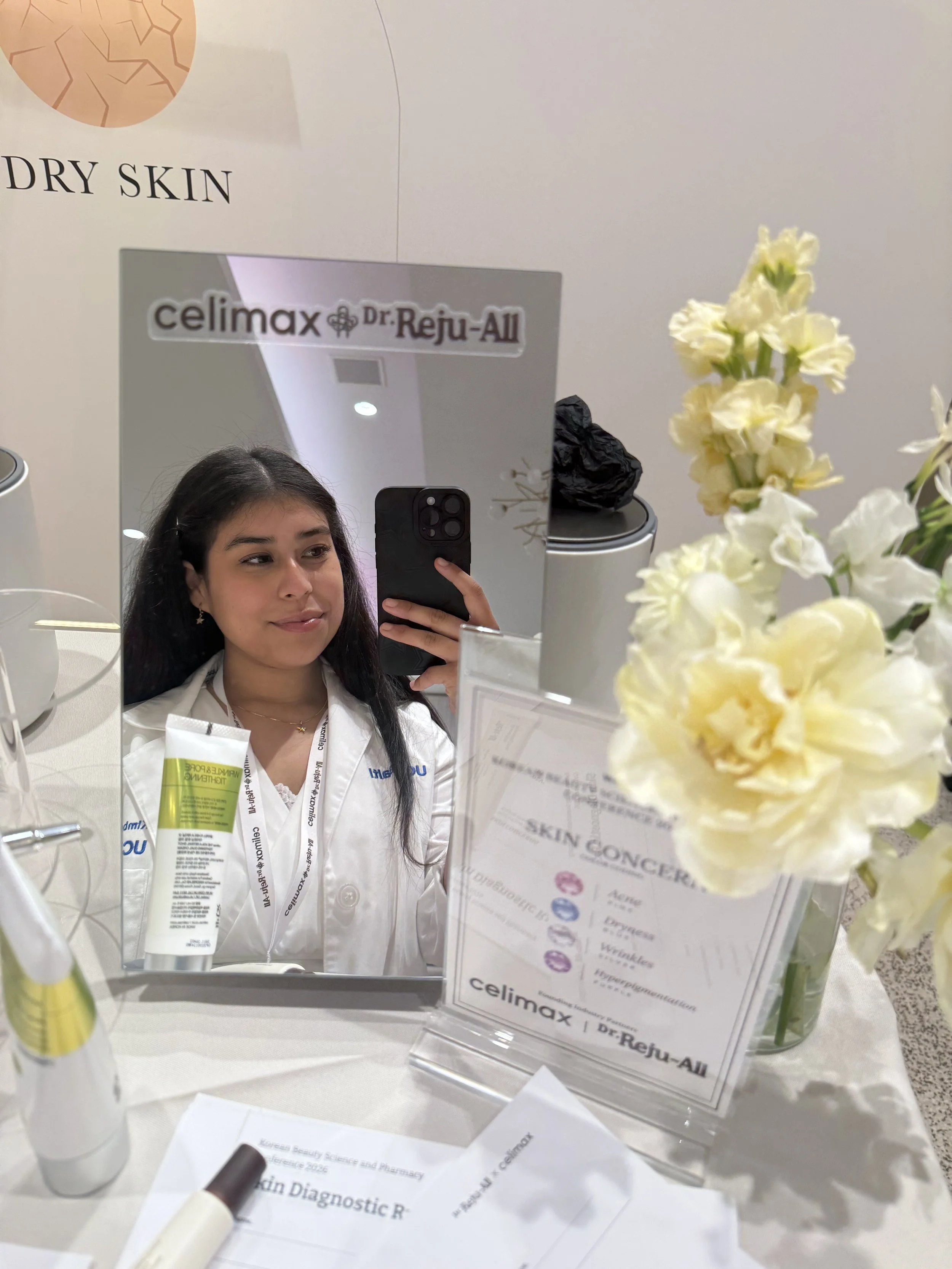
the science behind the skincare: CELIMAX
one of the industry sponsors at the conference was CELIMAX, a Korean skincare brand whose products provided an opportunity to explore formulation science and dermatologically relevant ingredients.
while learning about the products, i was particularly interested in how different formulations target skin-barrier function, hyperpigmentation, acne, and signs of photoaging.
1. Dual Barrier Creamy Toner: understanding the skin barrier
the CELIMAX Dual Barrier Creamy Toner features ingredients associated with skin hydration and barrier support, including multiple ceramides, cholesterol, glycerin, sodium hyaluronate, and panthenol.
to understand the significance of these ingredients, it helps to understand the stratum corneum.
the stratum corneum is the outermost layer of the epidermis and serves as a protective barrier against environmental stressors while limiting excessive transepidermal water loss.
its extracellular lipid matrix contains three major lipid classes: ceramides, cholesterol, and free fatty acids.
ceramides are especially important because they contribute to the organization and integrity of this lipid barrier.
research has demonstrated that alterations in epidermal lipid composition are associated with impaired barrier function, particularly in conditions such as atopic dermatitis.
moisturizing formulations containing physiologically relevant lipids may help support barrier repair, although effectiveness depends on the complete formulation and clinical context.
my pharmacy takeaway: skin hydration involves more than simply adding water. supporting the skin's lipid barrier is also important, especially for individuals experiencing dryness or irritation from dermatologic treatments.
2. The Real Noni Acne Bubble Cleanser: cleansing without compromising the barrier
another product discussed was the CELIMAX Real Noni Acne Bubble Cleanser.
cleansers are an important part of skincare routines, particularly for individuals with acne-prone skin. however, cleansing is also an area where formulation and tolerability matter.
surfactants remove oils, debris, and other substances from the skin surface, but some cleansing systems may also disrupt skin lipids or contribute to irritation.
this is particularly relevant for patients using benzoyl peroxide, topical retinoids, or other acne treatments that can already cause dryness.
although botanical ingredients such as noni have been investigated for antioxidant and anti-inflammatory properties in laboratory settings, those findings do not independently establish clinical efficacy for acne.
the evidence supporting a finished cleanser depends on its complete formulation, active ingredients, and appropriately designed clinical studies.
my pharmacy takeaway: a cleanser does not need to leave the skin feeling tight to be effective. tolerability and compatibility with the rest of a patient's routine are important considerations.
3. brightening formulations: tranexamic acid and hyperpigmentation
one of the CELIMAX brightening formulations discussed in my preparation notes contained 5% tranexamic acid alongside a proprietary brightening complex identified as Melazero V2.
tranexamic acid is particularly interesting from a pharmacy perspective because it has established systemic uses as an antifibrinolytic medication and has also been investigated for pigmentary disorders.
in dermatology, tranexamic acid has been studied for melasma through oral, topical, and intradermal routes.
its proposed effects on pigmentation involve modulation of plasmin-related signaling and pathways involved in melanocyte activation.
however, results from studies of oral tranexamic acid cannot automatically be applied to topical cosmetic formulations.
the effectiveness of topical tranexamic acid depends on concentration, vehicle, skin penetration, treatment duration, and the population being studied.
oral tranexamic acid also has important systemic safety considerations, including thromboembolic risk in susceptible patients, which should not be confused with the safety profile of topical cosmetic use.
my pharmacy takeaway: understanding an ingredient's pharmacology helps explain why it may be useful in skincare, but the route of administration and strength of clinical evidence are essential when evaluating claims.
4. retinal formulations: vitamin A derivatives and skin renewal
CELIMAX also featured retinal-containing formulations, including a retinal booster described in my notes as containing 0.1% retinal and a cream containing 0.05% retinal.
retinal, also called retinaldehyde, is a vitamin A derivative.
within the skin, retinaldehyde can be converted into retinoic acid, the biologically active form that interacts with nuclear retinoic acid receptors and influences gene transcription.
retinoids are among the most extensively studied classes of topical ingredients for acne and photoaging.
prescription tretinoin has substantial clinical evidence supporting improvements in certain signs of photoaging, while retinaldehyde has a smaller but growing body of research.
the concentration of retinal in a cosmetic product does not directly establish equivalence to a prescription retinoid.
the finished formulation, stability, delivery system, and tolerability all influence product performance.
potential adverse effects include dryness, erythema, peeling, and irritation.
patients should also receive appropriate counseling about gradual introduction, moisturizer use, sun protection, and pregnancy-related precautions.
my pharmacy takeaway: retinoids demonstrate how cosmetic science and pharmacology intersect, but effective skincare requires balancing potential benefits with tolerability and safe use.
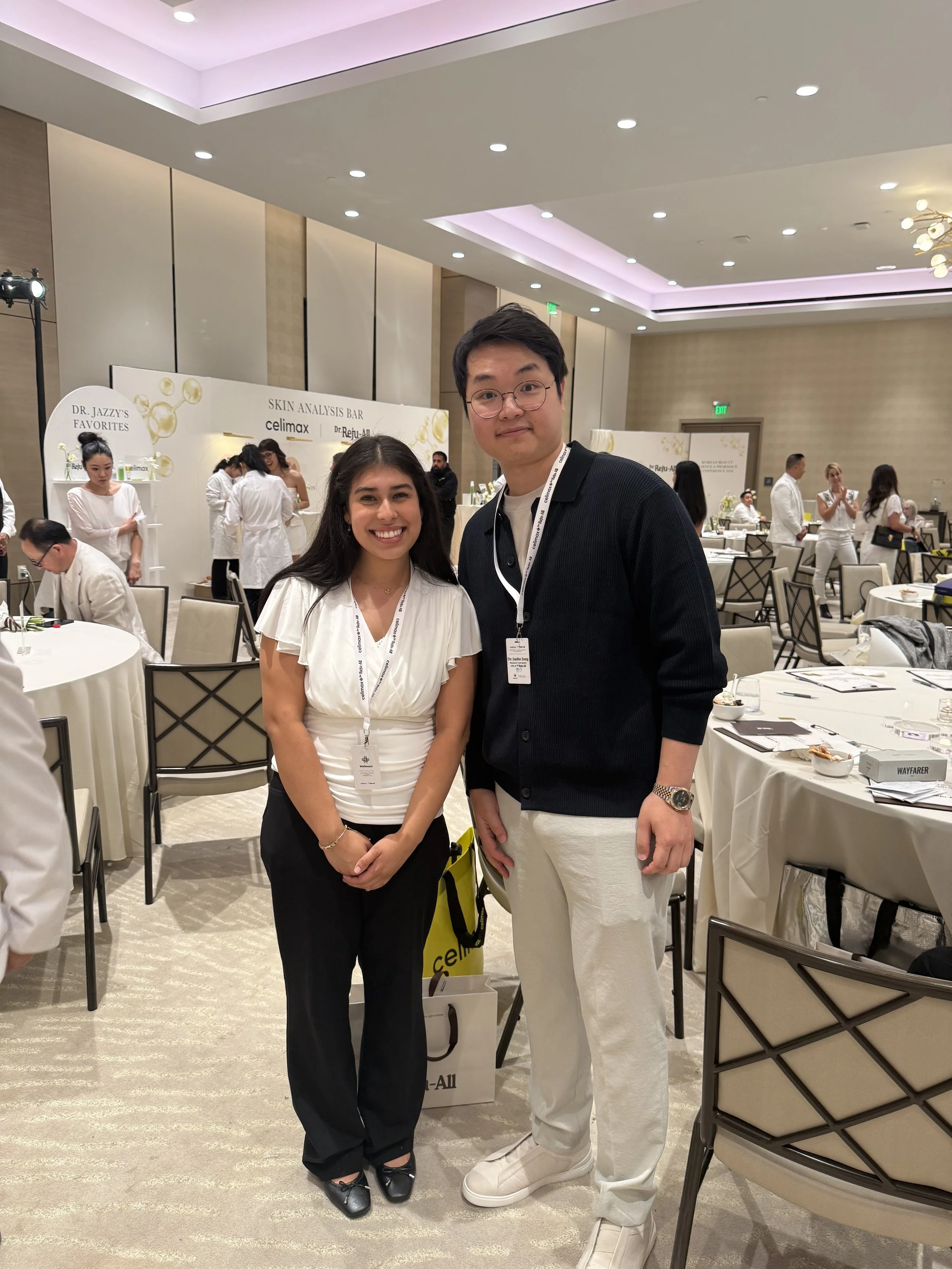
a photo with the CEO of Dr. Reju-all, Dr. Junho Jung, PharmD
Dr. Reju-all: exploring PDRN and regenerative skincare
another industry sponsor was Dr. Reju-all, whose products introduced an especially interesting topic: polydeoxyribonucleotide, commonly known as PDRN.
PDRN has attracted attention in regenerative medicine and dermatology because of research investigating its potential involvement in tissue repair.
what is PDRN?
PDRN consists of DNA-derived polymer fragments, commonly obtained from purified salmonid sources.
experimental research has investigated PDRN in tissue repair, inflammation, and wound healing.
some proposed mechanisms involve adenosine A2A receptor-related signaling and nucleotide salvage pathways.
preclinical studies have reported effects on processes associated with tissue regeneration, including angiogenesis and inflammatory signaling.
however, an important distinction is necessary.
much of the research surrounding PDRN involves injectable preparations, medical applications, animal models, or experimental systems.
these findings cannot automatically establish equivalent benefits for topical cosmetic products.
the degree to which a topical PDRN formulation reaches biologically relevant skin layers remains an important consideration.
1. Advanced PDRN Rejuvenating Cream
the Dr. Reju-all Advanced PDRN Rejuvenating Cream was described in my conference preparation materials as containing 1,200 ppm salmon-derived PDRN, along with hydrolyzed collagen, hydrolyzed hyaluronate, and niacinamide.
several of these ingredients have different roles within a skincare formulation.
hydrolyzed hyaluronate is used for its water-binding properties, while hydrolyzed collagen may contribute to surface hydration and film formation.
topically applied collagen should not be interpreted as directly replacing collagen within the dermis.
niacinamide, a form of vitamin B3, has been investigated for effects on epidermal barrier function, pigmentation, and skin appearance.
although PDRN is scientifically interesting, clinical evidence for a specific finished cream must be evaluated separately from research involving injectable PDRN.
my pharmacy takeaway: regenerative skincare is an exciting area of investigation, but it is important to distinguish established cosmetic benefits from emerging therapeutic hypotheses.
2. Advanced PDRN Copper Peptide Serum
the Dr. Reju-all Advanced PDRN Copper Peptide Serum was described in my notes as combining PDRN with a multi-peptide complex, copper peptides, hyaluronic acid, and hydrolyzed collagen.
copper-binding peptides have attracted interest because of laboratory research involving extracellular matrix processes, wound repair, and cellular signaling.
one frequently studied example is GHK-Cu, a copper-binding tripeptide.
however, not all copper peptide complexes are chemically identical, and findings involving one peptide cannot automatically be generalized to every product marketed as containing copper peptides.
likewise, laboratory findings do not establish that a particular cosmetic serum produces clinically meaningful improvements in collagen production or skin regeneration.
the complete formulation, concentration, delivery system, and human clinical evidence remain important.
my pharmacy takeaway: peptides represent a promising area of cosmetic research, but ingredient-specific and product-specific evidence should guide how confidently we discuss their benefits.
artificial intelligence and the future of pharmacy
beyond the skincare formulations, one of the most memorable aspects of the conference was hearing perspectives from Dr. Amy Kang, Dr. Walter Oronsaye, and Dr. Junho Jung, CEO of Dr. Reju-all.
their discussions about interprofessional collaboration, pharmacy, skincare, and artificial intelligence encouraged me to think about how healthcare may continue to evolve.
AI already has potential applications in medical image analysis, clinical documentation, research, and decision-support systems.
in dermatology, machine-learning systems have been investigated for classifying skin lesions and supporting image-based assessment.
however, algorithmic performance in a research setting does not necessarily translate into safe, reliable performance across diverse patient populations.
important concerns include training-data quality, skin-tone representation, privacy, clinical validation, and the risk of inaccurate recommendations.
for pharmacists, AI may eventually support certain aspects of medication review, information retrieval, and patient education.
nevertheless, these tools require appropriate oversight and should not replace clinical judgment.
what i found especially interesting was the possibility of using technology to strengthen collaboration between pharmacists, dermatologists, physicians, and other healthcare professionals.
rather than viewing pharmacy and skincare as separate fields, the conference highlighted opportunities for professionals with different expertise to contribute to patient-centered care.
why this experience matters to my future in integrative health pharmacy
throughout pharmacy school, i have become increasingly interested in healthcare approaches that consider medications, lifestyle, prevention, and patient education together.
my interest in integrative health pharmacy is closely connected to this perspective.
i enjoy learning about pharmacology and evidence-based therapeutics, but i am equally interested in understanding how patients incorporate skincare, supplements, and wellness practices into their everyday routines.
the Wellnoori conference reinforced the importance of approaching these interests with scientific curiosity and critical thinking.
a product may contain a promising ingredient, but that does not automatically mean its marketing claims are clinically established.
a treatment may have supporting evidence, but that does not mean it is appropriate for every patient.
as a future pharmacist, i hope to help bridge this gap between scientific research and practical patient education.
i also hope to continue exploring professional opportunities that combine pharmacy, dermatology, skincare science, and integrative health.
the people who made this experience special
while the scientific discussions were incredibly valuable, one of my favorite parts of the conference was meeting the people behind the industry.
i had the opportunity to connect with pharmacy students from Chapman University, Western University of Health Sciences, Marshall B. Ketchum University, and the University of Southern California.
meeting students with different backgrounds and professional interests reminded me how much we can learn from one another.
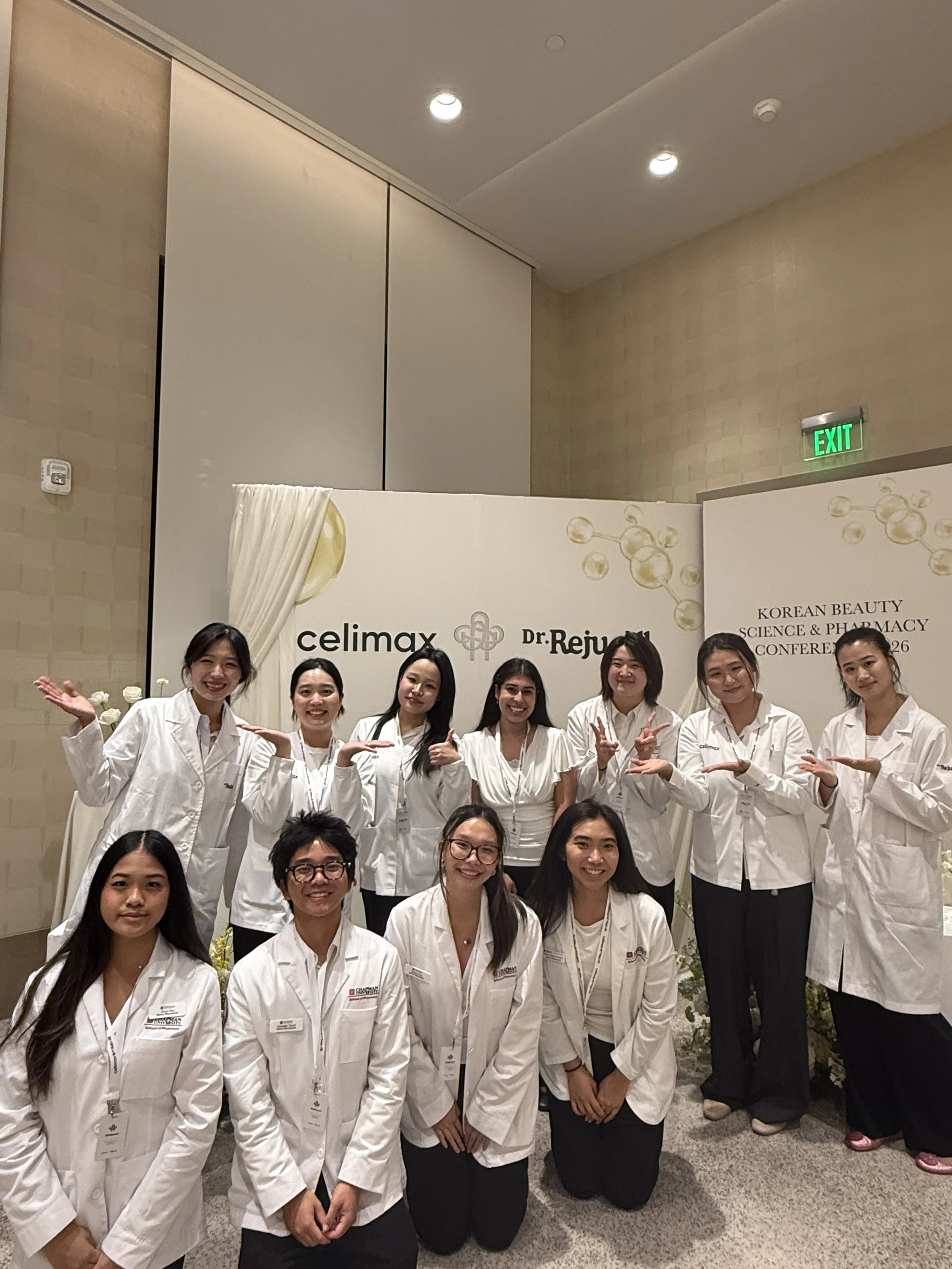
i also want to extend a special thank-you to Mion, Sophie, and Alice from CELIMAX.
they were incredibly kind, welcoming, and supportive throughout the event. i genuinely appreciated how comfortable they made me feel while working alongside them.
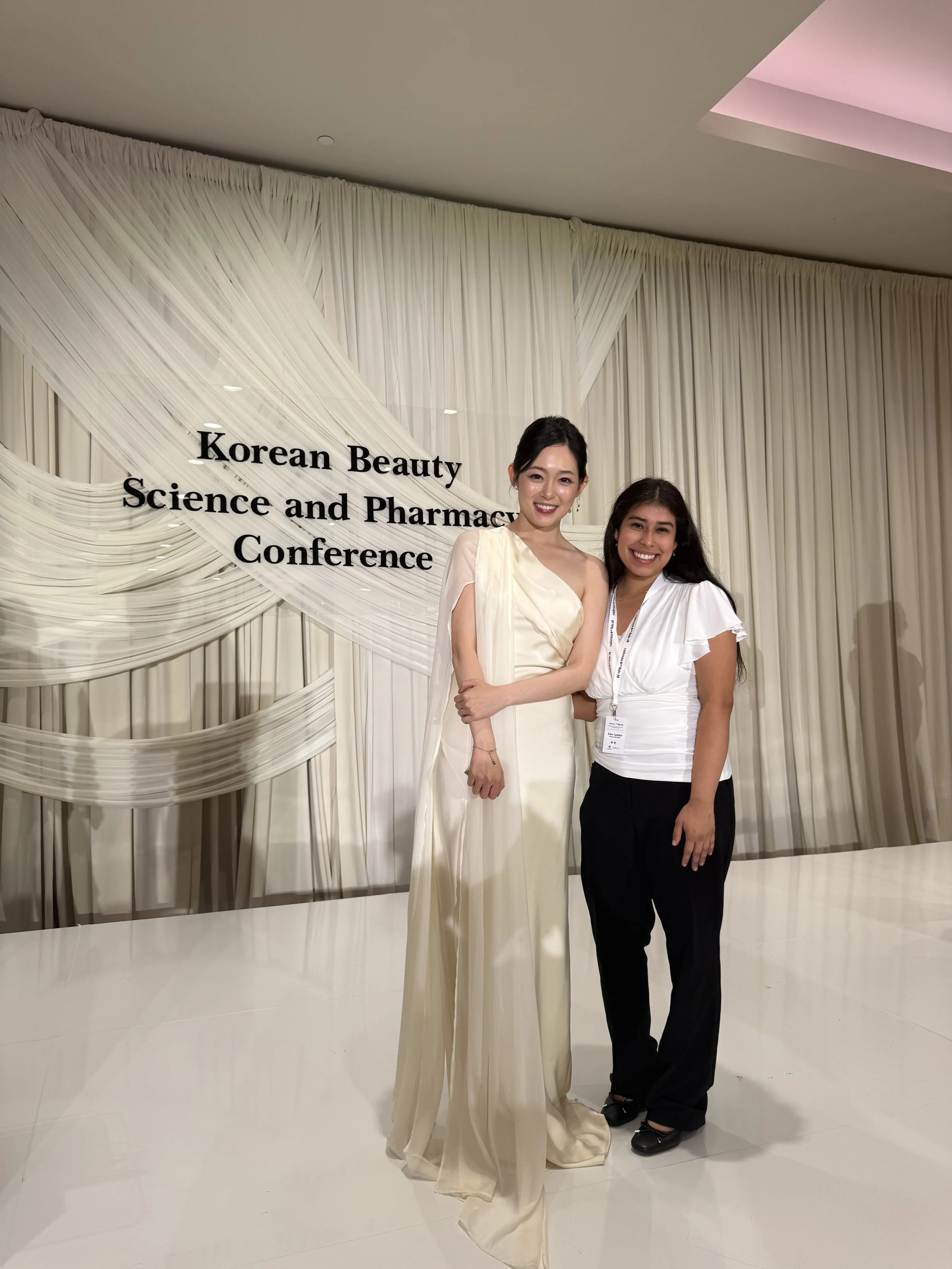
i am also grateful to Dr. Jasmine “Jazzy” Cho for the opportunity to participate in the conference and to witness the dedication involved in creating a space for education, innovation, and professional collaboration.
final reflections
the Wellnoori Korean Beauty Science & Pharmacy Conference was more than an opportunity to learn about skincare products.
it was an opportunity to see how pharmaceutical science, dermatology, technology, and interdisciplinary collaboration can come together.
from exploring ceramides and retinoids to learning about PDRN and the potential role of artificial intelligence in healthcare, i left with new questions, new connections, and an even greater appreciation for the possibilities within pharmacy.
as i continue my PharmD education, i hope to stay involved in opportunities that allow me to explore these intersections and contribute to evidence-based patient education.
i am grateful to everyone who made the conference such a memorable experience, and i look forward to seeing where these connections and interests lead.
until next time, Wellnoori. ♡
references & further reading
the following publications provide background evidence for the scientific concepts discussed. they should not be interpreted as independent clinical validation of the specific branded products featured at the conference.
van Smeden J, Bouwstra JA. Stratum corneum lipids: their role for the skin barrier function in healthy subjects and atopic dermatitis patients. Current Problems in Dermatology. 2016;49:8–26. https://doi.org/10.1159/000441540
Draelos ZD. The science behind skin care: cleansers. Journal of Cosmetic Dermatology. 2018;17(1):8–14. https://doi.org/10.1111/jocd.12469
Kim HJ, Moon SH, Cho SH, Lee JD, Kim HS. Efficacy and safety of tranexamic acid in melasma: a meta-analysis and systematic review. Acta Dermato-Venereologica. 2017;97(7):776–781. https://doi.org/10.2340/00015555-2668
Mukherjee S, Date A, Patravale V, Korting HC, Roeder A, Weindl G. Retinoids in the treatment of skin aging: an overview of clinical efficacy and safety. Clinical Interventions in Aging. 2006;1(4):327–348. https://doi.org/10.2147/ciia.2006.1.4.327
Squadrito F, Bitto A, Irrera N, et al. Pharmacological activity and clinical use of PDRN. Frontiers in Pharmacology. 2017;8:224. https://doi.org/10.3389/fphar.2017.00224
Boo YC. Mechanistic basis and clinical evidence for the applications of nicotinamide (niacinamide) to control skin aging and pigmentation. Antioxidants. 2021;10(8):1315. https://doi.org/10.3390/antiox10081315
Pickart L, Margolina A. Regenerative and protective actions of the GHK-Cu peptide in the light of the new gene data. International Journal of Molecular Sciences. 2018;19(7):1987. https://doi.org/10.3390/ijms19071987
Esteva A, Kuprel B, Novoa RA, et al. Dermatologist-level classification of skin cancer with deep neural networks. Nature. 2017;542:115–118. https://doi.org/10.1038/nature21056
a note on educational content
this article reflects my personal experience and educational interests as a Doctor of Pharmacy student. it is intended for general informational and educational purposes only and does not constitute individualized medical advice, diagnosis, or treatment.
discussion of skincare ingredients, formulations, and emerging research does not represent an endorsement or guarantee of product efficacy. product formulations and ingredient concentrations may change, and scientific findings involving individual ingredients may not apply directly to finished cosmetic products.
always consult a qualified healthcare professional for personalized recommendations, particularly when managing dermatologic conditions, using prescription treatments, or considering new products during pregnancy.
the pharmacy edit | the kimmy edit. © 2026