
magnesium glycinate vs. magnesium citrate: what's the difference, and which one do you actually need?
magnesium glycinate or magnesium citrate? while both provide essential magnesium, they differ in their potential benefits, digestive effects, and clinical evidence. explore the science behind these popular supplements, their roles in sleep and digestive health, and why a food-first approach matters when making informed wellness decisions.

magnesium has become one of the most talked-about minerals in the wellness community. from improving sleep and promoting relaxation to supporting digestion and muscle function, magnesium supplements are marketed for a wide variety of health benefits.
but if you've ever looked at the supplement aisle, you've probably noticed that magnesium comes in several different forms.
two of the most popular are magnesium glycinate and magnesium citrate.
although both provide magnesium, they differ in their chemical composition, gastrointestinal effects, and the clinical evidence supporting their uses.
so, is one actually better than the other?
let's explore the science behind these two forms of magnesium, what research tells us, and why nutrition should always be part of the conversation.
first, what is magnesium?
magnesium is an essential mineral involved in more than 300 enzymatic reactions throughout the body. it contributes to several important physiological processes, including:
muscle and nerve function: helps regulate neuromuscular signaling and muscle contraction.
energy production: participates in reactions involving adenosine triphosphate (atp), the body's primary energy currency.
bone health: supports bone structure and mineral metabolism.
blood glucose regulation: plays a role in insulin signaling and glucose metabolism.
cardiovascular function: contributes to normal heart rhythm and blood pressure regulation.
because magnesium participates in so many biological processes, maintaining adequate levels is important for overall health.
however, an essential nutrient isn't automatically a beneficial supplement for everyone. whether supplementation is appropriate depends on dietary intake, individual health conditions, medication use, and other factors.
magnesium glycinate: the popular choice for sleep and relaxation
magnesium glycinate is a form of magnesium bound to the amino acid glycine. it is also commonly sold as magnesium bisglycinate.
glycine itself participates in several physiological processes, including neurotransmission.
magnesium glycinate is frequently marketed as a gentle, well-tolerated supplement for individuals interested in sleep quality, relaxation, or general magnesium supplementation.
does magnesium glycinate actually improve sleep?
this is where the research becomes particularly interesting.
magnesium plays a role in normal nervous system function, and researchers have investigated whether supplementation may improve sleep outcomes.
a randomized, double-blind, placebo-controlled clinical trial published in 2025 evaluated magnesium bisglycinate supplementation in 155 adults who reported poor sleep quality.
participants received either 250 mg of elemental magnesium daily as magnesium bisglycinate or a placebo for four weeks.
researchers observed a statistically significant but small improvement in insomnia severity scores in the magnesium group compared with placebo.
the effect size was modest, and the study did not establish that magnesium glycinate is an effective treatment for chronic insomnia.
although these findings are promising, additional studies are needed to determine which populations may benefit most, whether improvements persist long-term, and how supplementation compares with established sleep interventions.
the takeaway: magnesium glycinate may offer modest sleep-related benefits for some individuals, but the evidence remains limited. it should not be considered a universal solution for poor sleep.
magnesium citrate: a form commonly associated with digestive health
magnesium citrate is magnesium combined with citric acid.
it is a relatively soluble form of magnesium, and research suggests that magnesium citrate is generally better absorbed than some less soluble forms, such as magnesium oxide.
however, magnesium citrate is particularly well known for its gastrointestinal effects.
how does magnesium citrate help with constipation?
magnesium salts can produce an osmotic effect in the intestines.
when sufficient amounts of magnesium remain within the intestinal tract, they help retain water, softening stool and promoting bowel movements.
certain magnesium citrate formulations are used as saline laxatives for occasional constipation.
it's important to distinguish these laxative products from lower-dose dietary magnesium supplements. the effects depend on the formulation and dose.
what does the clinical evidence say?
the 2023 joint american gastroenterological association and american college of gastroenterology guideline evaluated several treatments for chronic idiopathic constipation.
the guideline conditionally recommends magnesium oxide, based on very low-certainty evidence, but it does not make a specific recommendation for magnesium citrate.
therefore, evidence supporting magnesium-containing laxatives should not automatically be interpreted as proof that magnesium citrate is superior for treating chronic constipation.
the takeaway: magnesium citrate is a reasonable consideration when a magnesium-containing product with laxative effects is specifically desired, but persistent constipation requires an individualized approach.
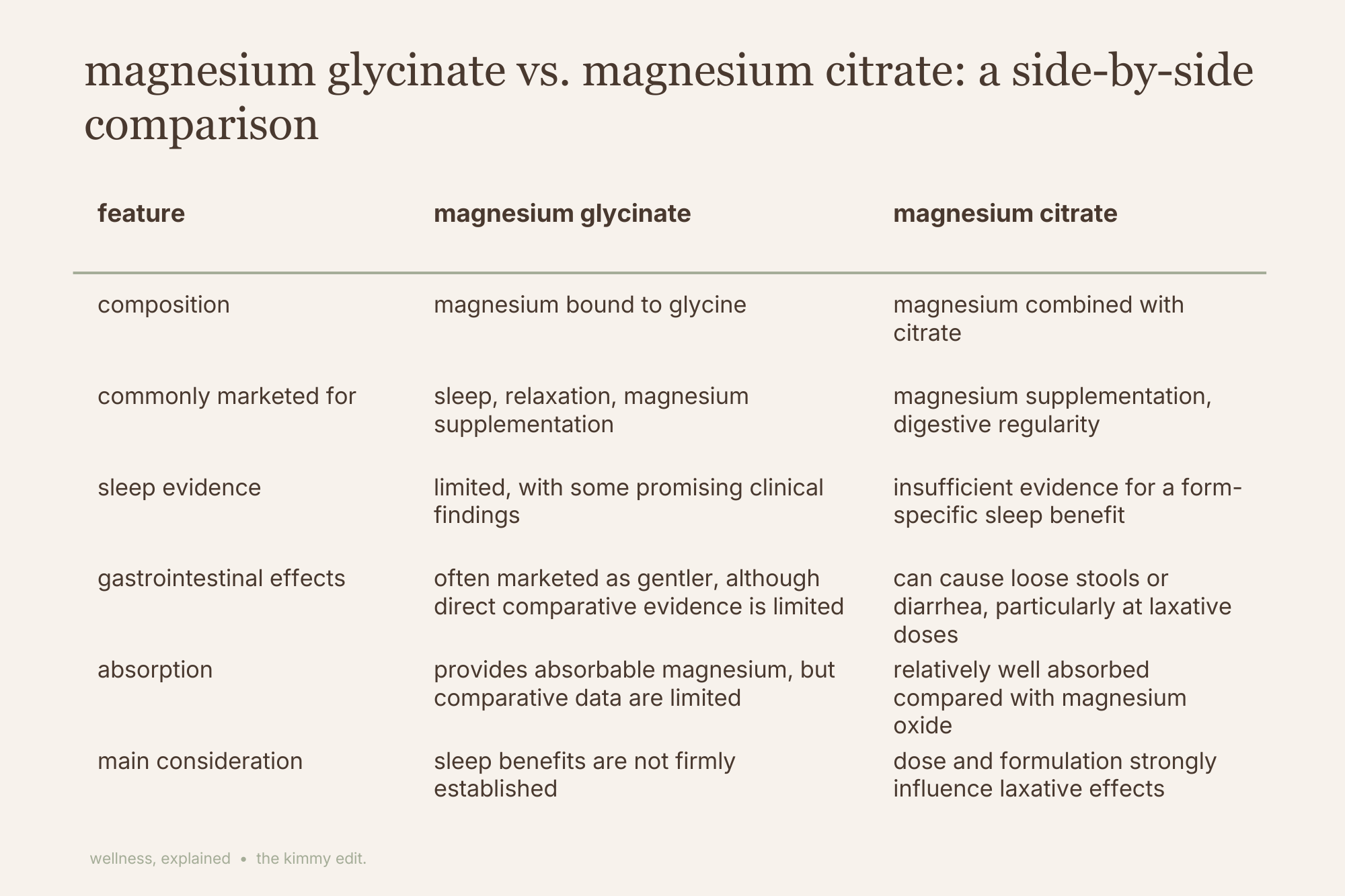
neither form is universally better. the appropriate choice depends on the intended purpose, tolerability, and individual health considerations.
can you get enough magnesium through your diet?
before reaching for a supplement, it's worth looking at dietary magnesium intake.
magnesium is naturally present in many nutrient-dense foods, particularly nuts, seeds, legumes, whole grains, and leafy green vegetables.
according to the national institutes of health office of dietary supplements, several foods provide meaningful amounts of magnesium.
magnesium-rich foods
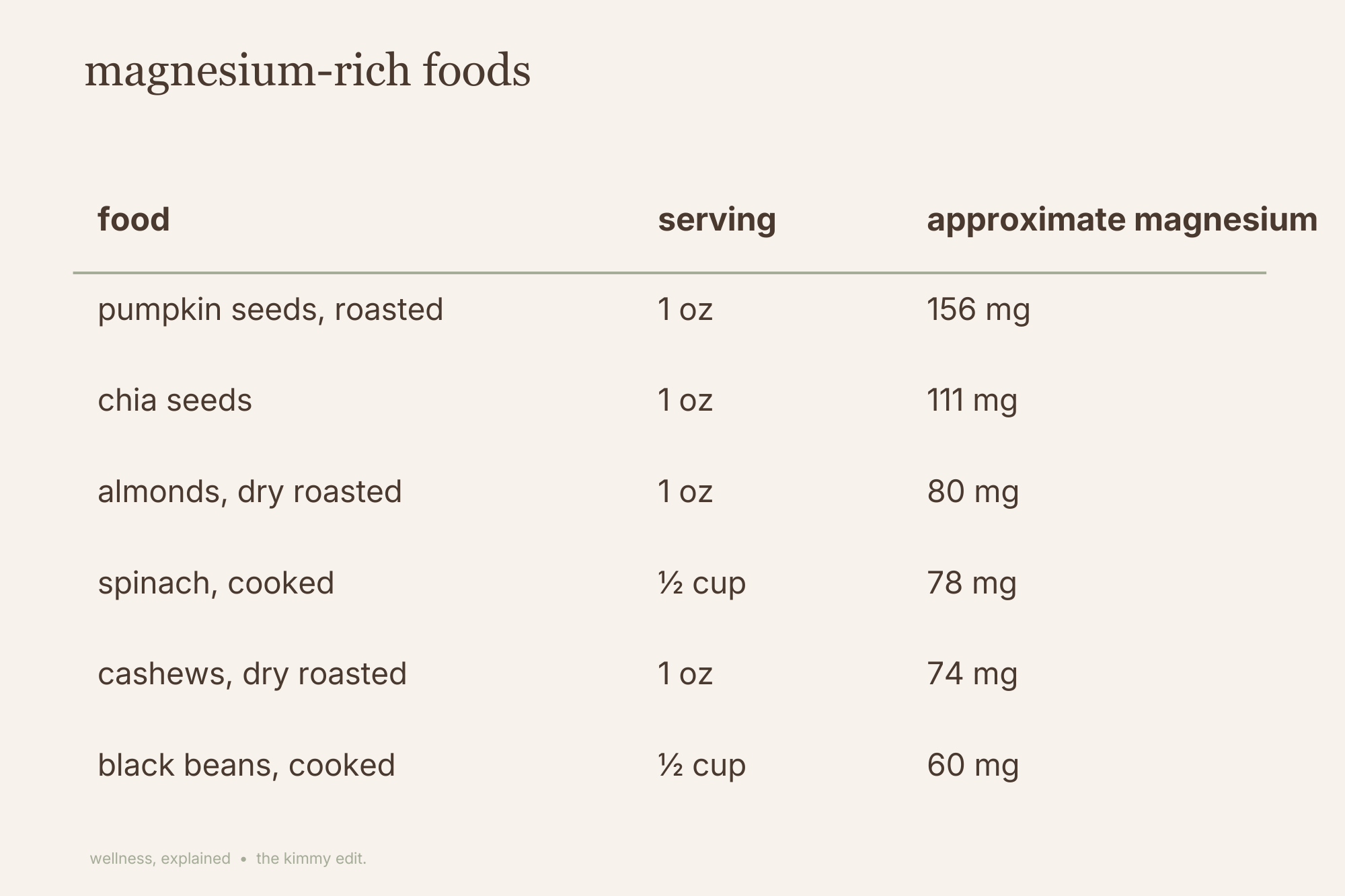
values are approximate and may vary by preparation and product.
how much magnesium do adults need?
recommended dietary allowances (rdas) vary by age and sex.
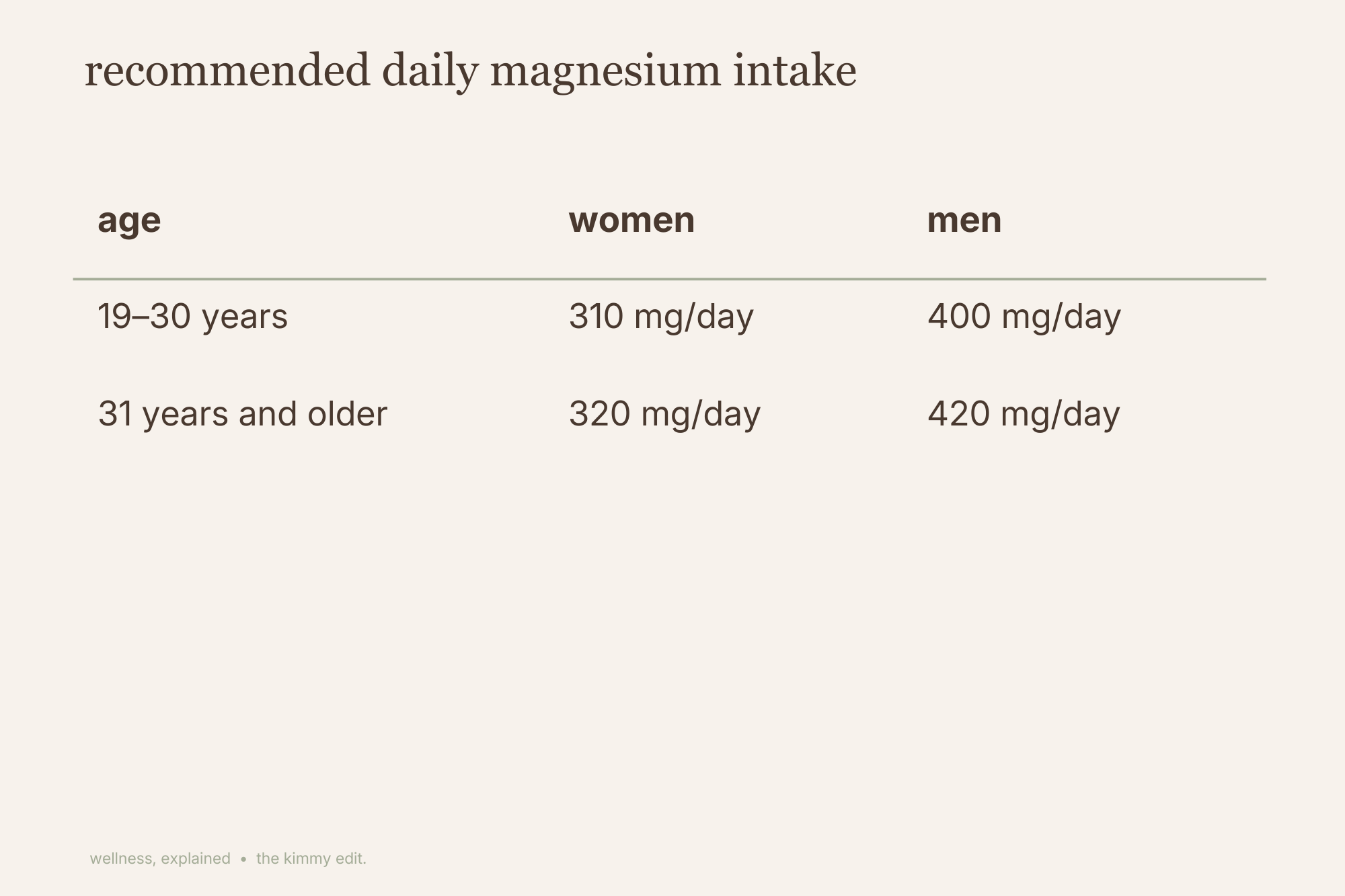
pregnancy and certain other life stages have different recommendations. these amounts refer to total magnesium intake from food, beverages, and supplements.
why a food-first approach matters
magnesium-rich foods provide more than magnesium alone.
nuts, seeds, legumes, and leafy vegetables also contribute dietary fiber, vitamins, minerals, and other nutrients that support overall health.
for individuals who can meet their magnesium requirements through diet, supplementation may not be necessary.
prioritize magnesium-rich foods first, as a balanced diet can help meet your daily magnesium needs without unnecessary supplementation.
however, supplementation may be appropriate when dietary intake is inadequate, deficiency is present, or a healthcare professional identifies a specific clinical need.
how much magnesium is too much?
one of the most important considerations when choosing a magnesium supplement is the amount of elemental magnesium.
elemental magnesium refers to the actual amount of magnesium provided by the supplement, rather than the total weight of the magnesium compound.
for example, a supplement labeled as containing 200 mg of elemental magnesium does not necessarily contain 200 mg of the entire magnesium glycinate or citrate compound.
consumers should check the supplement facts panel to identify the elemental magnesium amount.
the tolerable upper intake level
for adults, the established tolerable upper intake level (ul) is 350 mg of magnesium per day from supplements and medications, unless otherwise directed by a healthcare professional.
importantly, this limit does not include magnesium naturally present in food.
the ul is not an absolute toxicity threshold, and certain medically supervised treatments may involve higher doses.
excess supplemental magnesium can cause:
diarrhea
nausea
abdominal cramping
gastrointestinal discomfort
very high magnesium exposure can cause serious toxicity, especially in individuals with impaired kidney function.
can magnesium supplements interact with medications?
yes. magnesium can interact with certain medications by reducing their absorption or altering treatment effectiveness.
antibiotics
magnesium can bind to certain antibiotics in the gastrointestinal tract, reducing their absorption.
examples include:
doxycycline
ciprofloxacin
levofloxacin
depending on the medication, doses may need to be separated by several hours.
bisphosphonates
magnesium supplements can interfere with the absorption of oral bisphosphonates, such as alendronate, which are used to treat osteoporosis.
proton pump inhibitors
long-term use of certain proton pump inhibitors, including omeprazole, may contribute to low magnesium levels in some patients.
diuretics
certain diuretics can increase magnesium losses through urine, while potassium-sparing diuretics can reduce magnesium excretion.
these examples highlight why supplement recommendations should consider a person's complete medication list.
individuals with kidney disease should be especially cautious because impaired magnesium elimination increases the risk of magnesium accumulation.
so, which magnesium supplement should you choose?
the answer depends on why you're considering magnesium supplementation in the first place.
if you're interested in sleep support, magnesium glycinate has some preliminary clinical evidence suggesting modest benefits. however, it is not an established treatment for insomnia.
if you're considering magnesium for constipation, certain magnesium citrate formulations can produce laxative effects. still, persistent constipation should be evaluated rather than repeatedly self-treated.
if your goal is simply to maintain adequate magnesium intake, assessing your diet is a sensible starting point.
and if you already consume sufficient magnesium, taking additional supplements may offer little benefit.
the bottom line: evidence before trends
magnesium is essential for normal physiological function, but not every popular magnesium supplement claim is supported by strong clinical evidence.
magnesium glycinate and magnesium citrate both provide magnesium, yet they differ in their formulation, potential gastrointestinal effects, and available research.
magnesium glycinate is commonly associated with sleep and relaxation, but its clinical benefits remain uncertain.
magnesium citrate is relatively well absorbed and can have laxative effects, although its role depends on the specific product and dose.
ultimately, the best approach to magnesium isn't necessarily choosing the trendiest formulation.
it's understanding your individual needs, prioritizing adequate nutrition, and making informed decisions based on scientific evidence.
because wellness should be guided by research, not just marketing.
references
national institutes of health, office of dietary supplements. magnesium: fact sheet for health professionals. https://ods.od.nih.gov/factsheets/Magnesium-HealthProfessional/
schuster et al. (2025). magnesium bisglycinate supplementation in healthy adults reporting poor sleep: a randomized, placebo-controlled trial. nature and science of sleep. https://pubmed.ncbi.nlm.nih.gov/40918053/
chang l, et al. (2023). american gastroenterological association–american college of gastroenterology clinical practice guideline: pharmacological management of chronic idiopathic constipation. american journal of gastroenterology. https://pubmed.ncbi.nlm.nih.gov/37204227/
wellness, explained is an independent educational series created by a pharmacy student with an interest in integrative health and evidence-based wellness. this article is intended for general educational purposes and does not constitute individualized medical advice, diagnosis, or treatment. supplements may interact with medications or be inappropriate for certain medical conditions. consult a qualified healthcare professional before starting or changing a supplement regimen.